
Hot insulation
Keeps heat in, cuts energy loss and keeps surface temperatures safe on hot lines and equipment.
- Process piping
- Steam lines
- Hot oil lines
- Vessels and tanks
- Boilers and heat exchangers
- High-temperature equipment

Hot, cold and acoustic insulation for process piping, vessels, refrigeration systems, ducts and plant equipment.
Intel Insulation provides thermal and acoustic insulation for industrial plants and building services. Our work covers hot, cold and acoustic systems, from steam lines and process vessels to chilled water piping and HVAC ducts.

Intelligent Insulation SolutionsThermal and acoustic insulation for industry
The right system, correctly installed, pays back in energy, safety and reliability.
Less heat gained or lost means lower energy use on every line and vessel.
Hot surfaces stay at a safe temperature for people working nearby.
Cold insulation with a vapour barrier keeps chilled surfaces dry.
Fluids stay at the temperature the process needs, from steam to cryogenic services.
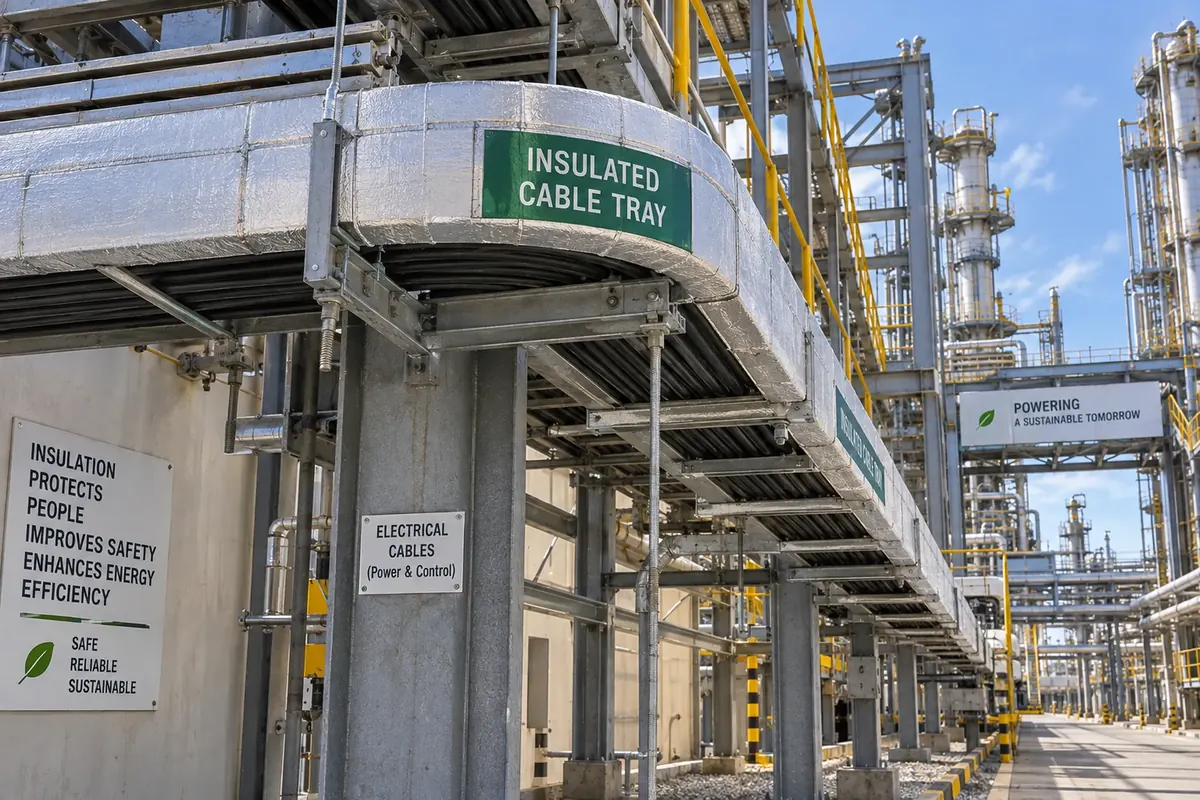
Cladding and barriers shield insulation and pipework from weather and damage.
Acoustic insulation reduces noise from pipes, machinery, ducts and pump areas.
Three service areas covering process plants, utilities and building services.
Keeps heat in, cuts energy loss and keeps surface temperatures safe on hot lines and equipment.

Keeps cold in and stops condensation and ice from forming on chilled and cryogenic systems.

Brings noise down at the source on piping, machinery, ducts and plant areas.
Every job is a stack of layers, each with one purpose. Choose a service to see how the layers change from the pipe outward.
We select the material for the operating temperature, the environment and the specification of each job.

Non-combustible fibre insulation for high-temperature lines and noise control.
Lightweight fibre insulation for piping, ducts and acoustic lagging.
Rigid, strong insulation for high-temperature piping and equipment.
Handles very high temperatures where other materials reach their limit.
Rigid foam with low thermal conductivity for cold lines and tanks.
Closed-cell glass insulation that resists moisture and carries load.
Flexible closed-cell foam for chilled water and refrigeration pipework.
Rigid foam with very low thermal conductivity for chilled lines.
Lightweight mineral insulation used from cryogenic tanks to hot equipment.
Thin, high-performance blankets for tight spaces.
Tags show typical use only. Final selection depends on the project specification.
From first visit to handover, in four steps.
We look at the lines, equipment and operating conditions, and confirm what the job needs to achieve.
We choose the insulation system and thickness to meet the temperature, condensation or noise target.
Insulation, vapour barrier where needed, and cladding are fitted to the specification.
We check the finished work against the specification before handover.
Plants and facilities where temperature and noise have to be controlled.

Process piping, vessels and tanks in hot and cold service.

Chilled water piping and ducts, with thermal and acoustic insulation.
Boilers, heat exchangers, steam lines and hot oil lines.
Refrigeration systems, chilled water piping and cold process lines.
Insulation for cryogenic lines, storage tanks and equipment.
Acoustic enclosures and noise control for machinery.
Insulation work across process, power and building services.
Process piping, vessels and tanks in hot and cold service.
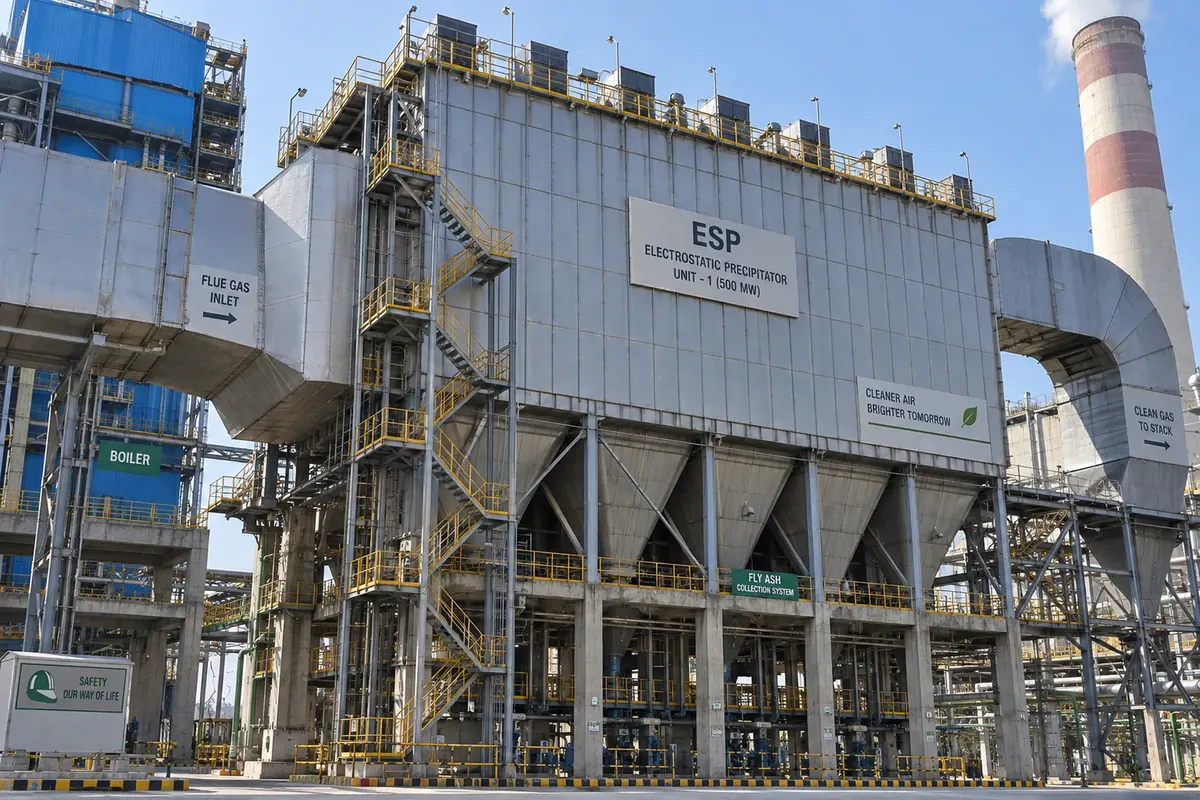
Insulation for electrostatic precipitators (ESP) and plant equipment.
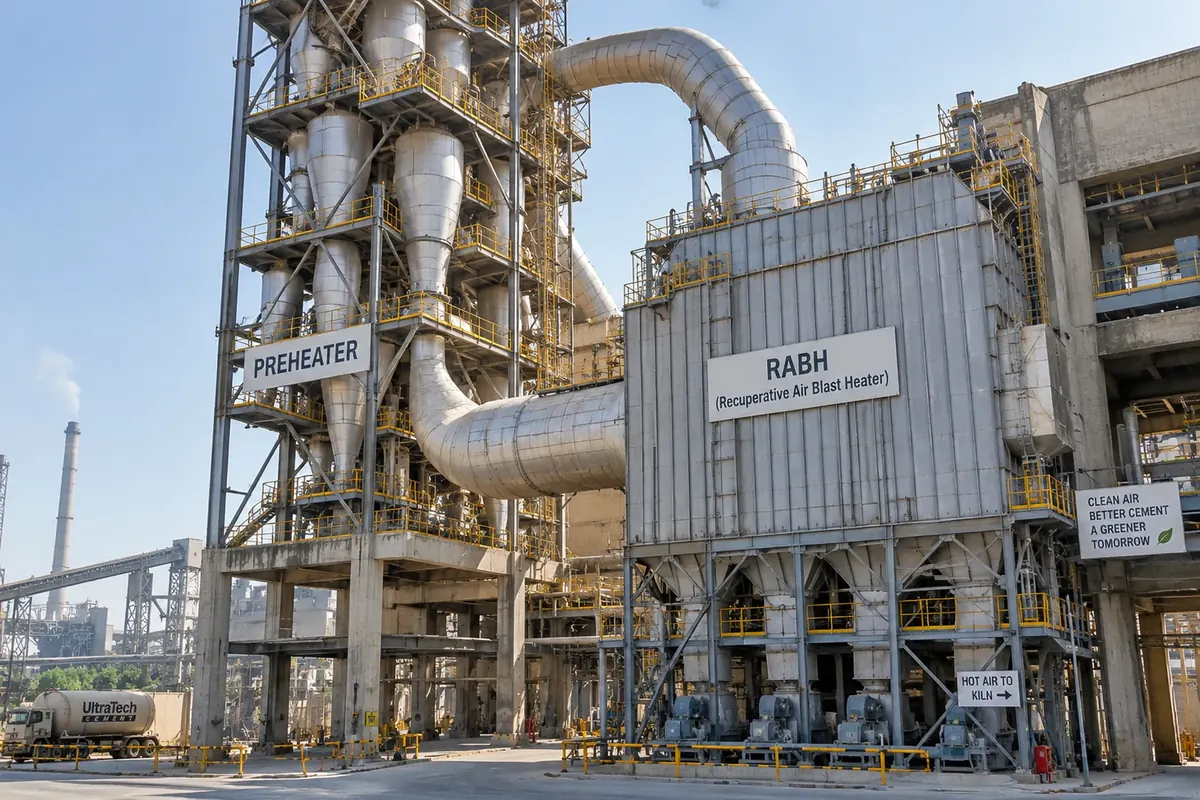
RABH and preheater insulation for cement plant systems.
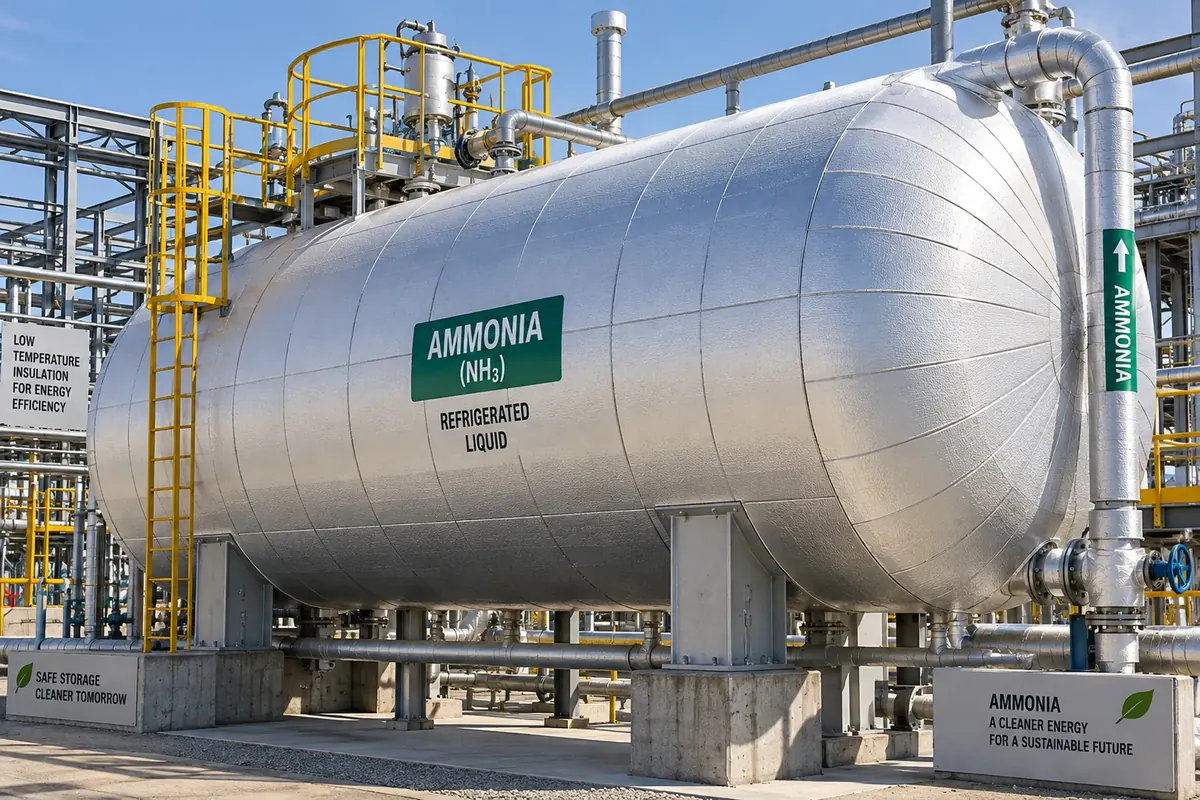
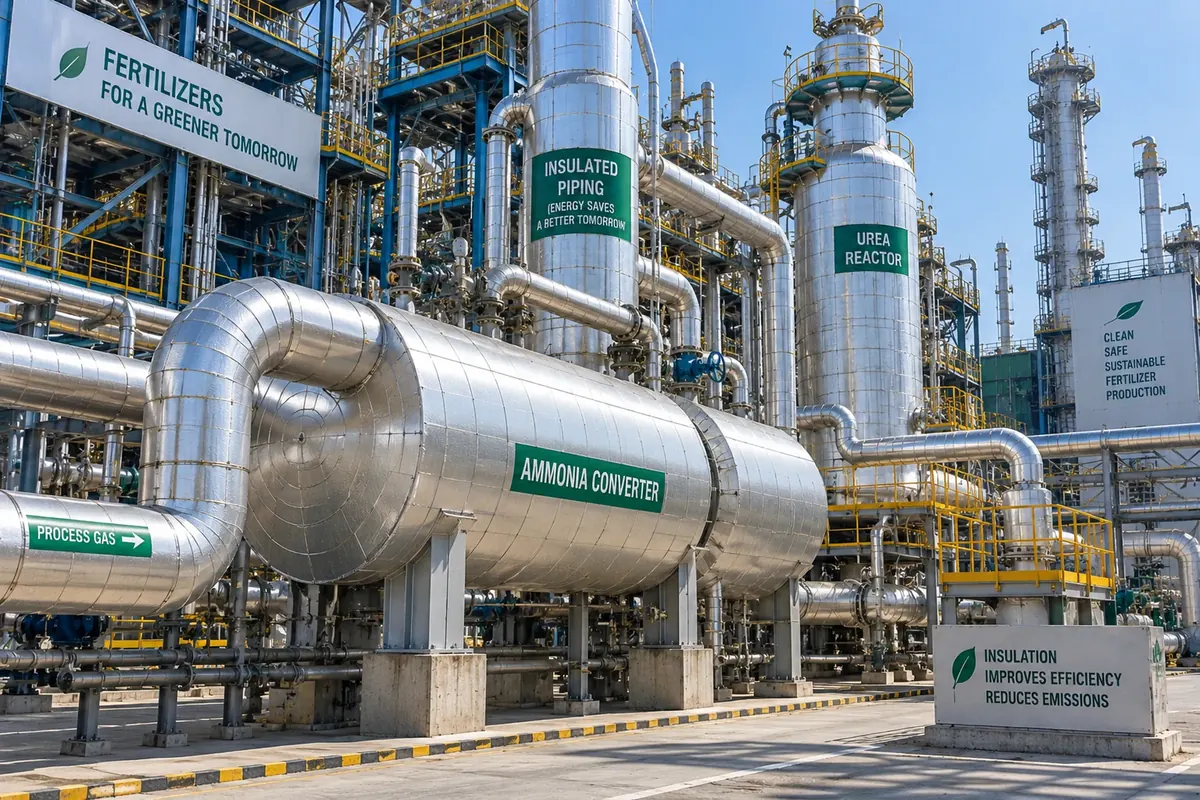
Insulation for fertilizer plants, including ammonia tank insulation.
Chilled water piping and ducts, with thermal and acoustic insulation.
Not here? Send us your question through the quote form.
Insulation reduces heat loss, which saves energy, helps keep the process at temperature and lowers the surface temperature people can touch.
Warm, humid air moves toward cold surfaces. A vapour barrier stops moisture reaching the insulation and pipe, so the insulation stays dry, keeps its performance and the pipe is protected from corrosion.
By operating temperature, the environment (indoor, outdoor, wet or washdown), mechanical loads, fire requirements and the project specification. The materials section shows typical use.
Usually a sound-absorbing layer such as rock wool or glass wool, often with a dense barrier layer, finished with a metal cladding on the outside.
The service (hot, cold or acoustic), what needs insulating, sizes or lengths, operating temperature, whether the location is indoor or outdoor, and photos or drawings if you have them.
Tell us what needs insulating, such as piping, a vessel, equipment or ducts, and we will get back to you.